




Reading Time: 3 minutes
Across Europe, the way people relate to their health is changing fast. Healthcare systems are increasingly showing the strain, while new tools – from artificial intelligence to online-only pharmacies – are reshaping what caring for one’s health looks like. At the same time, Europeans are taking a more active role in managing their own well-being, navigating an ever-growing range of information, channels and choices.
The STADA Health Report 2026 sets out to capture this moment of transition: How do Europeans experience their healthcare systems today? How in control of their own health do they feel, and when do they feel left alone? How open are they to AI as part of their health journey – and what do they expect from the doctors, pharmacists and other professionals they have trusted for decades? And what will the future of healthcare look like when digital tools and human expertise meet?
Looking Back
Initially conceptualised as a national health study to investigate the health literacy of the German population, the STADA Health Report has grown steadily, and has since become one of the largest and most comprehensive international studies in the industry. True to STADA's purpose of Caring for People's Health as a Trusted Partner, the Health Report does not shy away from asking difficult questions and uncovering uncomfortable truths about our well-being, habits and attitudes to initiate discussions about how healthcare is perceived today and how it must adapt in the future.
Sample and methodology 2026
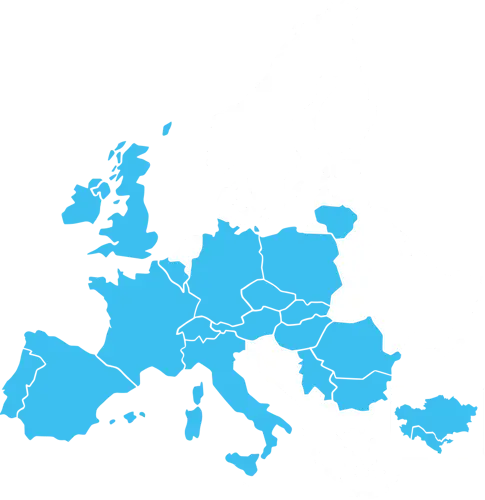
The 2026 international survey was conducted by Human8 via an online questionnaire in February through March 2026 in the following 20 countries: Austria, Belgium, Bulgaria, Czechia, France, Germany, Hungary, Ireland, Italy, Kazakhstan, Lithuania, Poland, Portugal, Romania, Serbia, Slovakia, Spain, Switzerland, the United Kingdom and Uzbekistan. The panel included well-balanced, representative samples of 500–2,000 respondents aged 18–99 in each country. As always, the survey was representative in terms of age, gender and region.
In answering more than 40 questions, participants were able to share their thoughts and opinions on topics such as health empowerment, care preferences in the age of AI, the relevance of personal interaction with healthcare professionals, whom they trust most in health questions, satisfaction with and challenges of national healthcare systems, ageing and longevity, and many more.
Geographically, Kazakhstan and Uzbekistan form part of Central Asia. For the sake of this report and its readability, both countries and the results from their respective surveys, together with the 18 participating European nations, have been subsumed under the term “European”.
Explore More Insights
 |
 |
 |
 |